Establishing a Surgical AI Collaboration at OAUTHC, Nigeria
In recent weeks, members of the CAI4CAI team visited Obafemi Awolowo University Teaching Hospitals Complex (OAUTHC) in Ile-Ife, Nigeria, to strengthen our collaboration with local surgeons and lay the foundations for long-term surgical AI research.
The visit focused on building the infrastructure, relationships, and workflows needed to support the sustainable collection of high-quality laparoscopic surgical data for future research in computer-assisted interventions and artificial intelligence.
Building the foundations
One of the major milestones of the visit was the successful deployment of dedicated data infrastructure within the Department of Surgery.
A central network-attached storage (NAS) system, backup power supply, and local network were installed to enable surgeons to securely upload and manage surgical videos. The deployment required close collaboration with the local hospital team and involved setting up a dedicated workspace, networking equipment, and user accounts before training members of the surgical department on the new workflow.
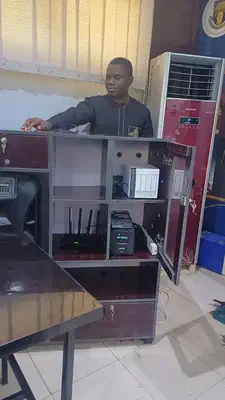
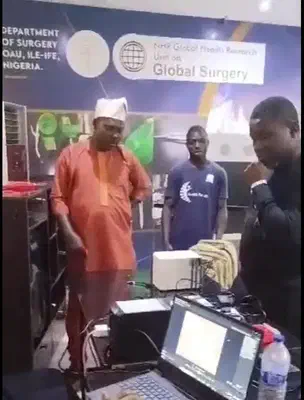
The infrastructure now provides a sustainable platform for ongoing data collection and future collaborative research.
Strengthening partnerships
Beyond the technical work, the visit provided valuable opportunities to strengthen relationships across OAUTHC.
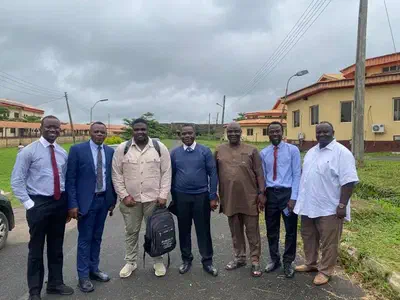
We met with the Chief Medical Director of the Hospital, Professor John Okeniyi, and the Provost of the College of Health Sciences, Professor Bernice Adegbehingbe, who both expressed strong support for the collaboration and its long-term vision. The visit also included discussions with clinicians from multiple surgical specialties about opportunities for future research and clinical translation.
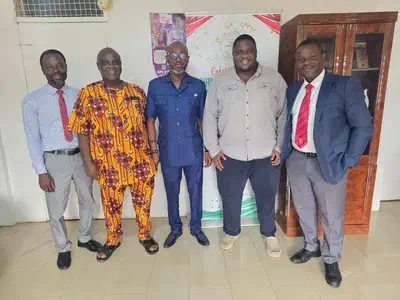
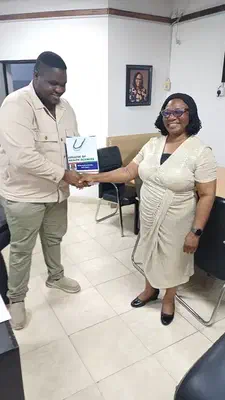
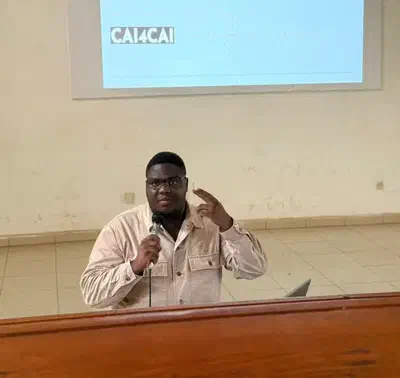
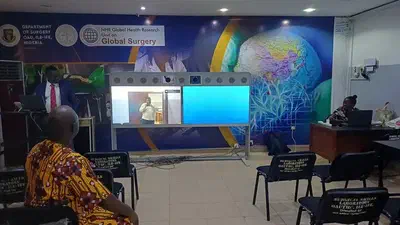
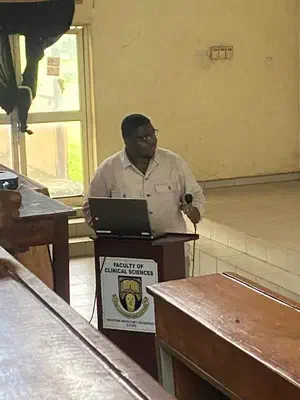
A presentation to the Department of Surgery introduced CAI4CAI’s research, the goals of the collaboration, and the potential of artificial intelligence to improve surgical care. The enthusiasm from surgeons and trainees highlighted the growing interest in developing locally relevant AI technologies through international collaboration.
Building a new surgical dataset
Alongside establishing the infrastructure, we worked with the surgical team to organise an expanding collection of laparoscopic procedures.
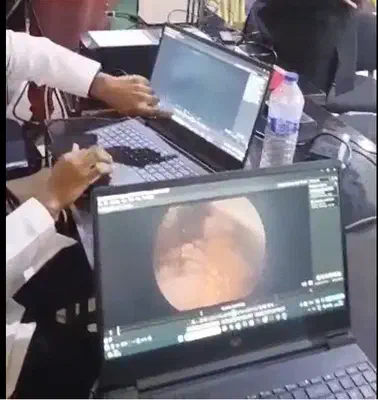
The dataset currently contains dozens of carefully reviewed operations spanning multiple procedure types, including cholecystectomy, appendectomy, fundoplication, and colorectal surgery. Working closely with Professor Adewale Adisa and his team, we are also establishing clinical annotation protocols for surgical workflow, scene understanding, and disease severity grading. These annotations will create valuable resources for future AI development.
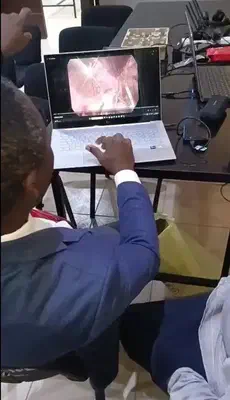

To support patient privacy, a dedicated de-identification workflow has also been established, ensuring videos can be prepared for research while protecting patient confidentiality.
Looking ahead
With the infrastructure now in place, the collaboration enters an exciting new phase.
Future work will focus on expanding the dataset, developing high-quality surgical annotations, and supporting collaborative research between King’s College London and OAUTHC. By combining clinical expertise with advances in artificial intelligence, we hope to create broadly useful resources that contribute to the development of safer, more accessible, and more equitable surgical AI systems.
This visit represents an important milestone, but it is only the beginning. We are grateful to Professor Adewale Adisa, the surgical team at OAUTHC, and all our collaborators for their enthusiasm, hospitality, and commitment to building this partnership.
We look forward to the next stage of the collaboration and the research opportunities it will create.
Photo gallery
Oluwatosin Alabi
PhD Student
Tosin is a PhD student in teh EPSRC CDT in Smart Medical Imaging at King’s College London and Imperial College London, supervised by Dr Miaojing Shi and Prof Tom Vercauteren